
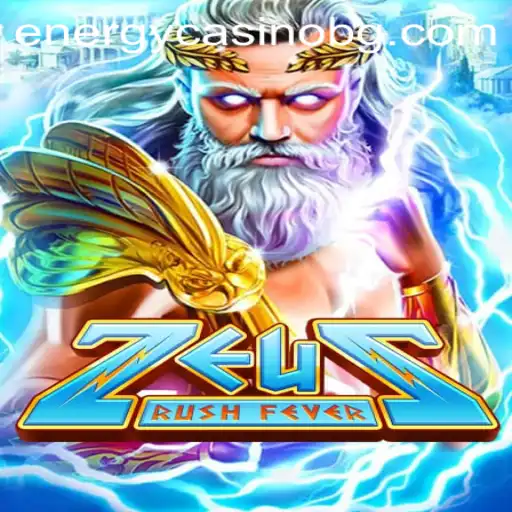
Unleashing the Thunder: A Dive into ZeusRushFever
Introduction
In the ever-evolving landscape of online gaming, ZeusRushFever emerges as a lightning bolt of excitement and strategic depth. This dynamic game brings ancient mythology to life, offering players an experience that oscillates between frenetic action and cerebral strategy. At its heart, ZeusRushFever combines elements of both role-playing games (RPGs) and strategy, creating a unique platform where players can immerse themselves in a world inspired by Greek mythology.
ZeusRushFever is not just a game; it is a phenomenon that reflects a growing trend in the gaming community towards titles that challenge the mind while thrilling the senses. By incorporating mythological elements, it taps into a rich vein of storytelling and gameplay possibilities. As we delve into the game’s intricacies, let’s explore the mechanics, objectives, and the world that awaits players bold enough to take up the mantle of Olympian gods.
Game Description
In ZeusRushFever, players assume the role of deities, each wielding unique powers inspired by the Greek pantheon. The primary objective is to accumulate resources and influence to ascend as the supreme deity of Olympus. The game is set in a vividly rendered world where the mythical Mount Olympus serves as the backdrop for epic battles and strategic conquests.
The aesthetic of the game is meticulously designed to transport players to a realm where gods walk among mortals. Each character, be it Zeus with his thunderbolt or Athena with her wisdom, is crafted with attention to detail that captures the essence of ancient myths. Players engage in quests, form alliances, and confront mythical beasts, each encounter contributing to their divine repertoire.
Gameplay Mechanics
At the core of ZeusRushFever is its engaging gameplay mechanics that blend action with strategy. The game utilizes a card-based system where players can draw from their deck of power cards, each card representing an action, ability, or asset. These cards can offer enchantments, summon mythical creatures, or unleash devastating attacks against opponents.
The strategic aspect involves the careful management of resources, such as ambrosia and divine favor, which players need to enhance their abilities and expand their influence over Olympus. Resource management is crucial, as players must balance their offensive capabilities with the need to defend against rival deities.
For those who enjoy multiplayer experiences, ZeusRushFever offers a robust online mode where players can challenge friends or strangers worldwide. This feature has gained particular relevance in the current climate of digital connectivity, allowing for competitive gameplay and collaboration across the globe.
Rules and Objectives
Understanding the rules of ZeusRushFever is essential for anyone looking to master its complex systems. Here is a breakdown of the primary rules and objectives that guide gameplay:
- Objective: The main goal is to become the most revered god by amassing the highest score of divine favor points. These points are accrued through successful quests, battles, and strategic alliances.
- Deck Management: Players build their decks from a selection of power cards, with each card playing a crucial role in determining the outcome of battles and quests.
- Quest System: Completion of quests yields rewards such as rare cards, resources, and divine favor. Quests range from simple tasks to elaborate missions requiring strategic planning.
- Combat: Engaging in battles with other deities or mythical beasts is a staple of the game. Combat is turn-based, requiring players to strategize their moves carefully to outmaneuver opponents.
- Resource Allocation: Players need to judiciously allocate resources to upgrade abilities, summon mythical creatures, and fortify their strongholds.
Impact and Current Events
The release of ZeusRushFever has coincided with a burgeoning interest in mythological themes within popular culture. Its impact extends beyond traditional gaming audiences, attracting enthusiasts of mythology and strategy games alike. This convergence has fostered a vibrant community that discusses gameplay strategies, shares fan art, and conducts virtual tournaments.
In recent months, the game's developers have hosted several online events to capitalize on the growing trend of e-sports and online competitions. These events have not only increased the game’s visibility but also provided players with opportunities to test their skills and earn recognition in the gaming community.
As discussions about digital integration in event management become more prevalent, ZeusRushFever represents a turning point in how games can be platforms for community building and cultural exchange. This aligns with broader industry trends where storytelling and gameplay experiences integrate seamlessly with the social aspects of gaming.
In conclusion, ZeusRushFever stands as a testament to the potential of gaming as a medium that bridges mythological and modern narratives through interactive experiences. It's a game that not only entertains but also engages the mind, proving once again that the allure of the online world continues to grow in its complexity and appeal.